Reducing food waste at home is a simple yet impactful way to save money, conserve resources, and help protect the environment. Every year, millions of tons of food are thrown away, much of it from household kitchens. By adopting a few mindful habits, you can cut down on waste and enjoy fresher, better-planned meals. Here are some practical and easy ways to reduce food waste at home.
Understand the Impact of Food Waste
Before diving into how to reduce food waste, it’s helpful to understand why it matters. Wasting food means losing the resources used to grow, harvest, transport, and package it. This includes water, energy, labor, and land. Plus, food scraps sent to landfills produce methane, a potent greenhouse gas. Reducing food waste is a meaningful way to lessen your environmental footprint.
Plan Your Meals
One of the best ways to avoid wasted food is to plan your meals in advance.
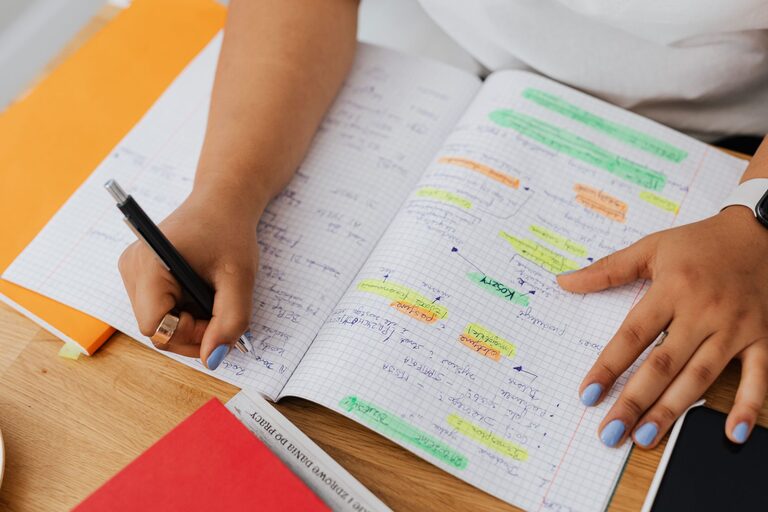
– Create a Weekly Meal Plan: Write down what you’ll eat each day and use the plan to guide your grocery shopping.
– Make a Shopping List: Base it on your meal plan and stick to it. Avoid impulse buys that may go unused.
– Check Your Pantry and Fridge: Take an inventory so you use what you already have before buying more.
Planning helps you purchase only what you need and prevents excess food from spoiling.
Shop Smartly
How you shop can make a big difference in food waste.
– Buy Loose Produce: This allows you to buy exactly the amount you need instead of pre-packaged quantities.
– Opt for Smaller Portions: If possible, buy smaller packages or individual items to match your consumption.
– Use Frozen or Canned Options: These have longer shelf lives and reduce the chance of spoilage.
– Pay Attention to Dates: Understand the difference between “sell by,” “use by,” and “best before” dates to avoid throwing out food prematurely.
Store Food Properly
Proper food storage extends freshness and prevents spoilage.
Refrigeration Tips
– Keep your fridge at the right temperature (below 40°F or 4°C).
– Store fruits and vegetables separately, as some fruits emit gases that can cause others to spoil faster.
– Use airtight containers to keep leftovers fresh longer.
– Place new groceries behind older items to use older food first (FIFO method: First In, First Out).
Pantry Organization
– Store dry goods in clear, labeled containers.
– Keep items like bread in a cool, dry place to avoid mold.
– Regularly check for expired or stale products and use them promptly.
Use Leftovers Creatively
Leftovers don’t have to be boring or forgotten in the back of the fridge.
– Repurpose Meals: Turn last night’s roast vegetables into a soup or wrap.
– Freeze Leftovers: Store portions in the freezer to enjoy later.
– Create “Fridge Clean-Out” Meals: Combine various ingredients close to spoiling into stir-fries, casseroles, or omelets.
Practice Proper Portion Control
Serving or cooking too much food is a common cause of waste.
– Measure portions when cooking.
– Serve smaller amounts and allow seconds if still hungry.
– Use smaller plates to help control portion sizes.
Compost Food Scraps
Not all food waste has to go into the trash.
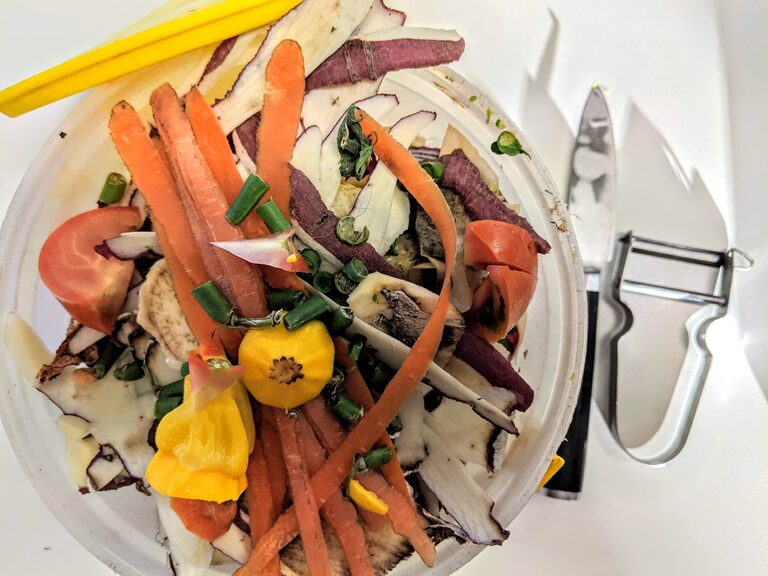
– Set up a compost bin for vegetable peels, coffee grounds, eggshells, and other compostable scraps.
– Composting turns waste into nutrient-rich soil for gardening.
– Many communities offer compost pickup or drop-off services if you don’t have space for a bin.
Understand Food Labels
Food packaging labels can be confusing and sometimes cause unnecessary discarding.
– “Best before” indicates quality, not safety — food may still be good after that date.
– “Use by” is about safety; avoid consuming after this date.
– Use your senses: look, smell, and taste (carefully) to judge if food is still good.
Educate Your Household
Making reducing food waste a shared goal helps build good habits.
– Involve family members in meal planning and shopping.
– Teach children about the value of food and the impact of waste.
– Share leftover meals and food waste tips with friends and neighbors.
Donate Surplus Food
If you have food that you won’t use but is still good, consider donating.
– Check local food banks or community centers that accept food donations.
– Share extra fresh produce from your garden with neighbors.
Conclusion
Reducing food waste at home is easier than it may seem. With a little planning, smart shopping, proper storage, and creativity in the kitchen, you can make a noticeable difference. Not only will you save money, but you’ll also contribute to a healthier planet. Start with one or two of these tips and gradually build habits that make food waste a thing of the past.
About the Author