Choosing a notebook might seem simple, but picking one you’ll actually use regularly can be surprisingly tricky. Whether you want a place to jot down ideas, plan your day, or keep a journal, the right notebook can make all the difference. In this post, we’ll guide you through important factors to consider when choosing a notebook that suits your lifestyle and encourages consistent use.
Why Choosing the Right Notebook Matters
A notebook isn’t just paper and a cover—it’s a tool. When you find one that feels right, you’re more likely to use it, stay organized, and enjoy writing. The wrong notebook might end up forgotten in a drawer, which defeats the purpose.
Consider Your Purpose
Before shopping for a notebook, think about how you plan to use it. Here are some common uses:
– Journaling: Daily reflections or gratitude notes.
– Work notes: Meeting summaries or project planning.
– Creative writing: Ideas, poems, or stories.
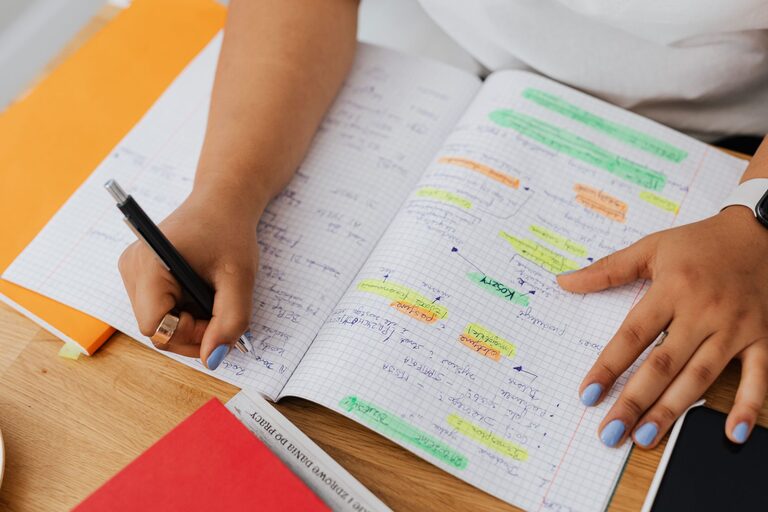
– Study notes: School or online course materials.
– To-do lists and planning: Organizing tasks and schedules.
Your purpose will help determine the size, paper type, and layout that work best.
Size and Portability
Notebooks come in various sizes, from pocket-sized to large sketchbooks. Consider where you’ll use your notebook:
– Pocket or small (A6 or similar): Easy to carry everywhere, great for quick notes or ideas.
– Medium (A5): Balances portability and writing space, suitable for most uses.
– Large (A4 or bigger): Offers more space for detailed notes or drawings but less portable.
If you want to take your notebook on the go, something light and compact may be best. For desk use, larger sizes provide ample room to write or sketch.
Paper Quality and Type
Paper affects the writing experience, and different pens behave differently on various paper types.
– Weight: Measured in grams per square meter (gsm), higher gsm means thicker paper. For pens that bleed through, choose at least 90 gsm.
– Texture: Smooth paper suits fountain pens and markers, while rougher textures are better for pencils.
– Color: White, cream, or even colored paper changes the feel and appearance of your notes.
If you prefer writing with fountain pens or markers, test your preferred notebook beforehand if possible.
Layout and Ruling Options
The page layout is crucial depending on your writing style:
– Lined paper: Ideal for writing and note-taking.
– Dot grid: Flexible for bullet journaling, sketching, and note-taking.
– Blank pages: Great for drawing or creative freedom.
– Graph paper: Useful for charts, diagrams, or math notes.
Think about which layout motivates you and matches your use case.
Binding and Durability
How the notebook is bound affects how it lies flat and how durable it is:
– Spiral-bound notebooks: Lay flat and easy to flip pages but may wear out faster.
– Perfect bound (glued spine): Sleek but might not open flat.
– Sewn binding: Durable and lies flat, often in high-quality notebooks.
– Hardcover vs. softcover: Hardcover offers protection, softcover is lighter and flexible.
Consider where and how you’ll use the notebook—durability matters if you’ll carry it daily.
Cover Design and Personal Appeal
The notebook’s appearance influences whether you’ll want to use it. Pick a cover that:
– Appeals to your personal style.
– Has a finish that feels good to hold.
– Is practical, such as waterproof or easy to clean if needed.
Some people prefer minimalistic designs; others like colorful or artistic covers.
Additional Features to Look For
Modern notebooks often include handy extras:
– Built-in bookmarks to mark your place.
– Elastic closures to keep the notebook shut.
– Inner pockets for loose papers.
– Numbered pages for easy referencing.
– Perforated pages to tear out notes neatly.
Think about which features would help your workflow or note-keeping.
How to Test Your Notebook Before Buying
If possible, visit a store to feel the notebook before purchasing. Test the paper with your favorite pens to avoid bleed-through or feathering. Pay attention to how the notebook opens and closes and how comfortable it feels in your hands.
Tips to Actually Use Your Notebook
Once you have the right notebook, make it part of your routine:
– Keep it visible and accessible.
– Set a daily or weekly time to write.
– Personalize it with stickers or color-coding.
– Use it for a specific purpose to avoid overwhelm.
– Review your notes regularly to stay engaged.
Final Thoughts
Choosing a notebook that you’ll actually use combines understanding your needs, finding the right size and style, and considering quality and design. The perfect notebook invites you to open it daily and makes writing enjoyable. Take time to explore your options, and soon you’ll have a trusted companion for your thoughts, plans, and creativity. Happy writing!
About the Author